Stepping Into New Worlds: VR Tennis Meets Generative AI
Project Managing a 360° VR Tennis Game Powered by Voice + AI
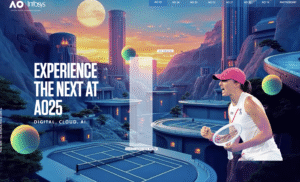
Executive Summary: At the 2025 Australian Open, I led project management for AI Stadium — a generative AI-powered VR tennis experience co-created with Infosys. The goal was to redefine fan engagement through real-time, voice-activated worldbuilding.
The result:
Over 12,000 fans experienced the 360° simulation, helping showcase Infosys’ future-forward tech and supporting Tennis Australia’s mission to inspire the next generation of digital innovators.
Related Articles & News
AO 2025-the Digital Innovation
Primary Role
Project manager/Product Designer
Time Frame
2024
Company Size
A global IT services leader & The governing body for tennis in Australia
Project Model
Gen AI / VR
Tools
Figma, Figjam, Miro, Mid journey
Reimagining Experience Through Emerging Tech
As Infosys continues to lead in tech innovation, especially in AI, its vision extends beyond enterprise solutions — it’s about inspiring real people through meaningful digital interactions. By exposing everyday Australians to cutting-edge technology at a major event like the Australian Open, Infosys not only reinforces its role as a future-focused company, but also builds stronger connections with the local community.
Beyond watching the stars play, what if fans could become the players?
Through the AI Stadium VR game, we turned this idea into reality, giving fans the chance to step into a fully immersive, interactive fantasy and play the game in a world entirely of their own making.
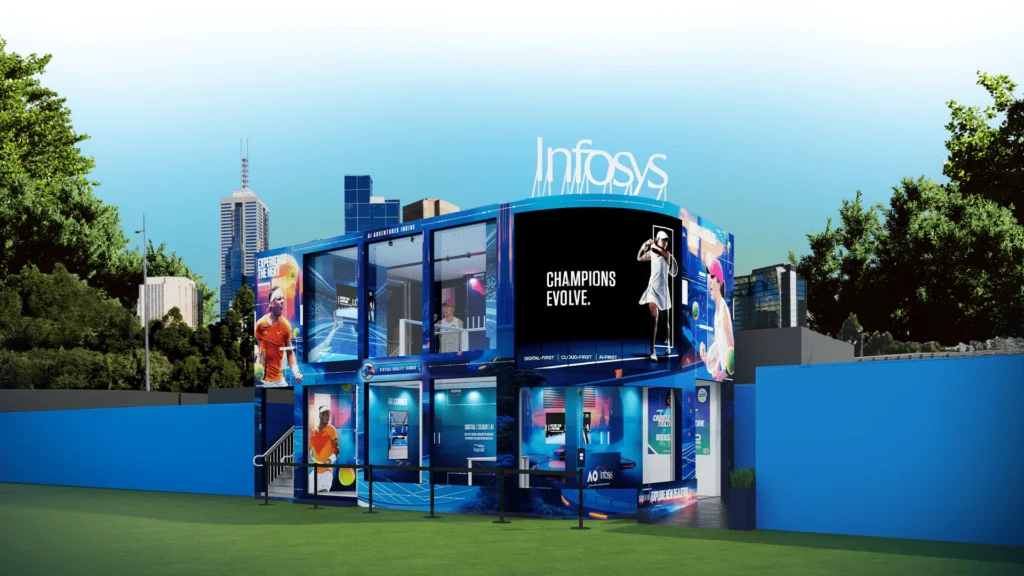
Infosys Fan Zone, AO 2025
Taking the Dive
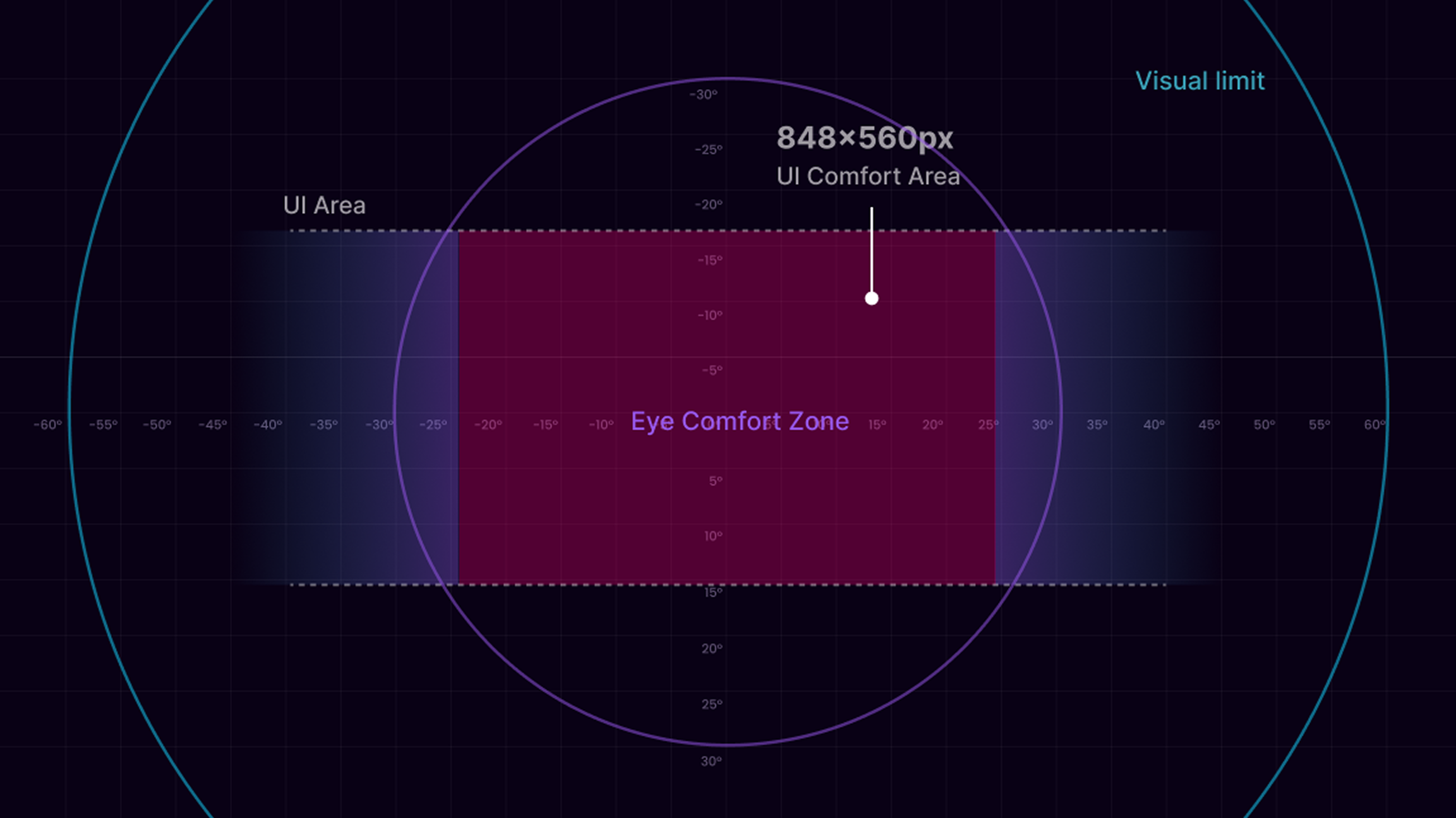
When starting the project, it was important to first understand the unique limitations of designing for a VR headset. Unlike a regular computer screen, VR is a 360° experience — which meant we had to carefully consider things like eye comfort, where to place UI elements, and how people naturally move and look around in a virtual space. Getting this right early on helped us create an experience that felt both fun and comfortable for every player.
Designing for a New Reality
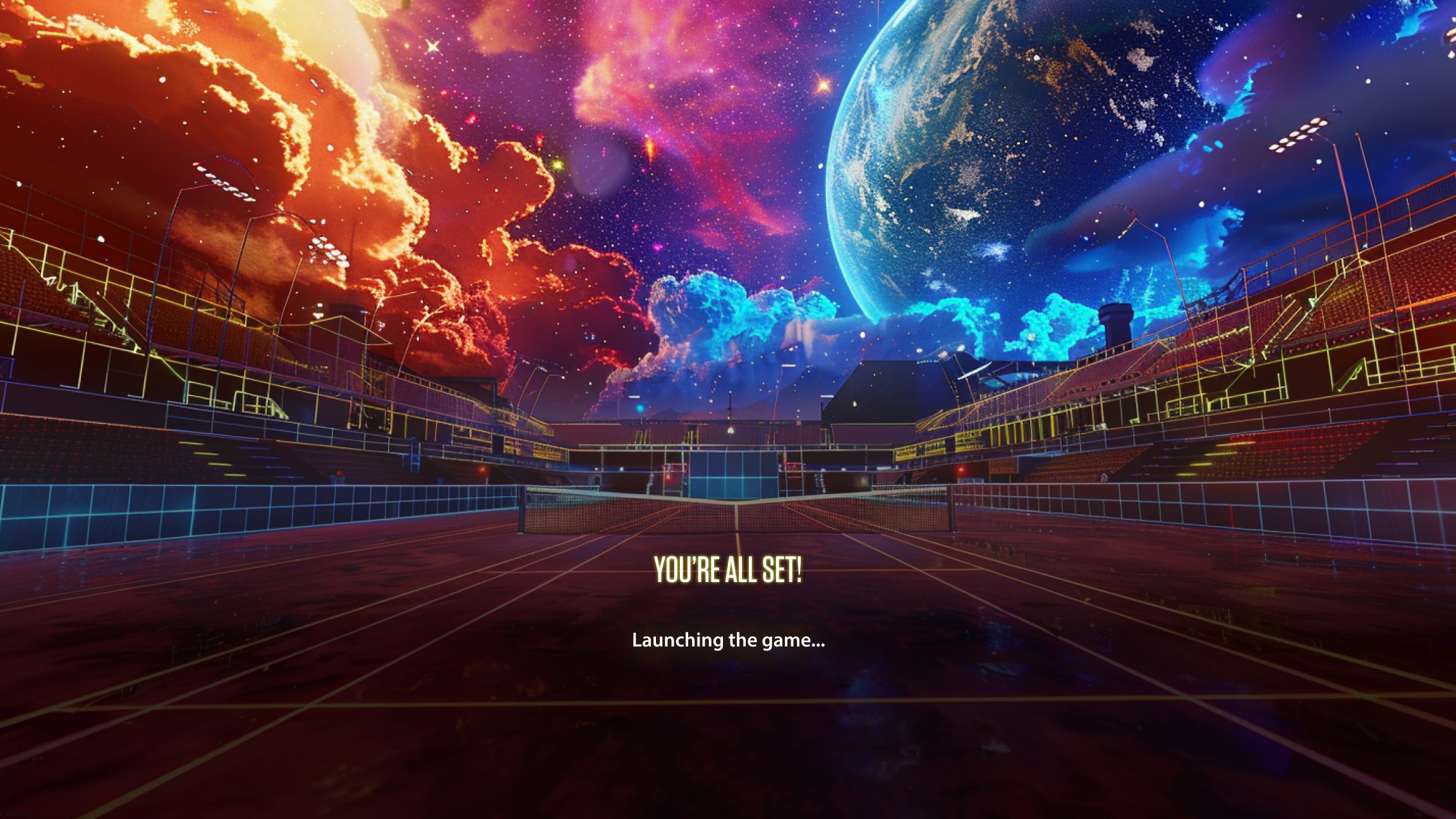
Translating the tennis experience into a 360° VR environment meant rethinking how interfaces look, feel, and respond — all while keeping the experience intuitive, immersive, and fun.
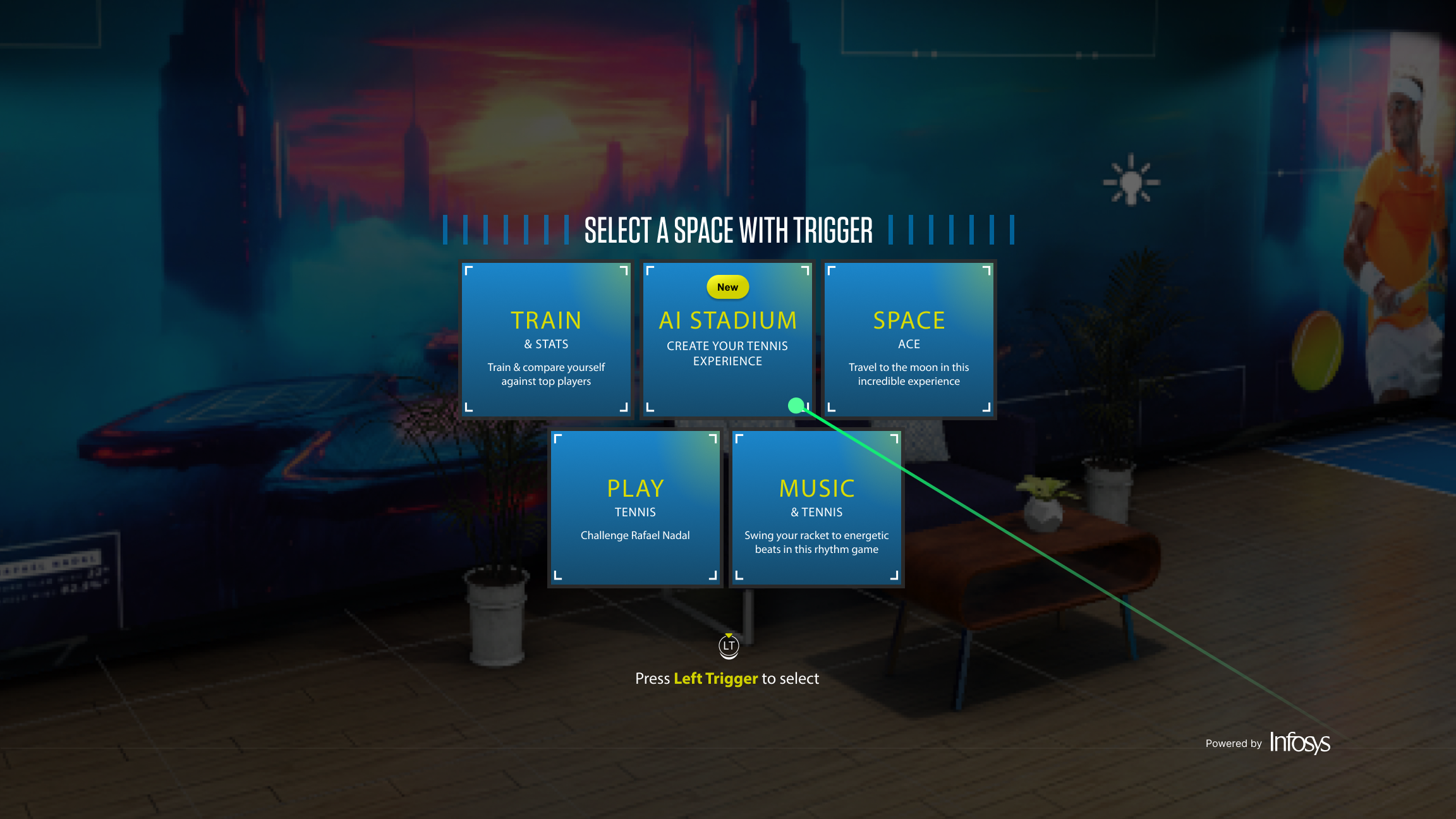
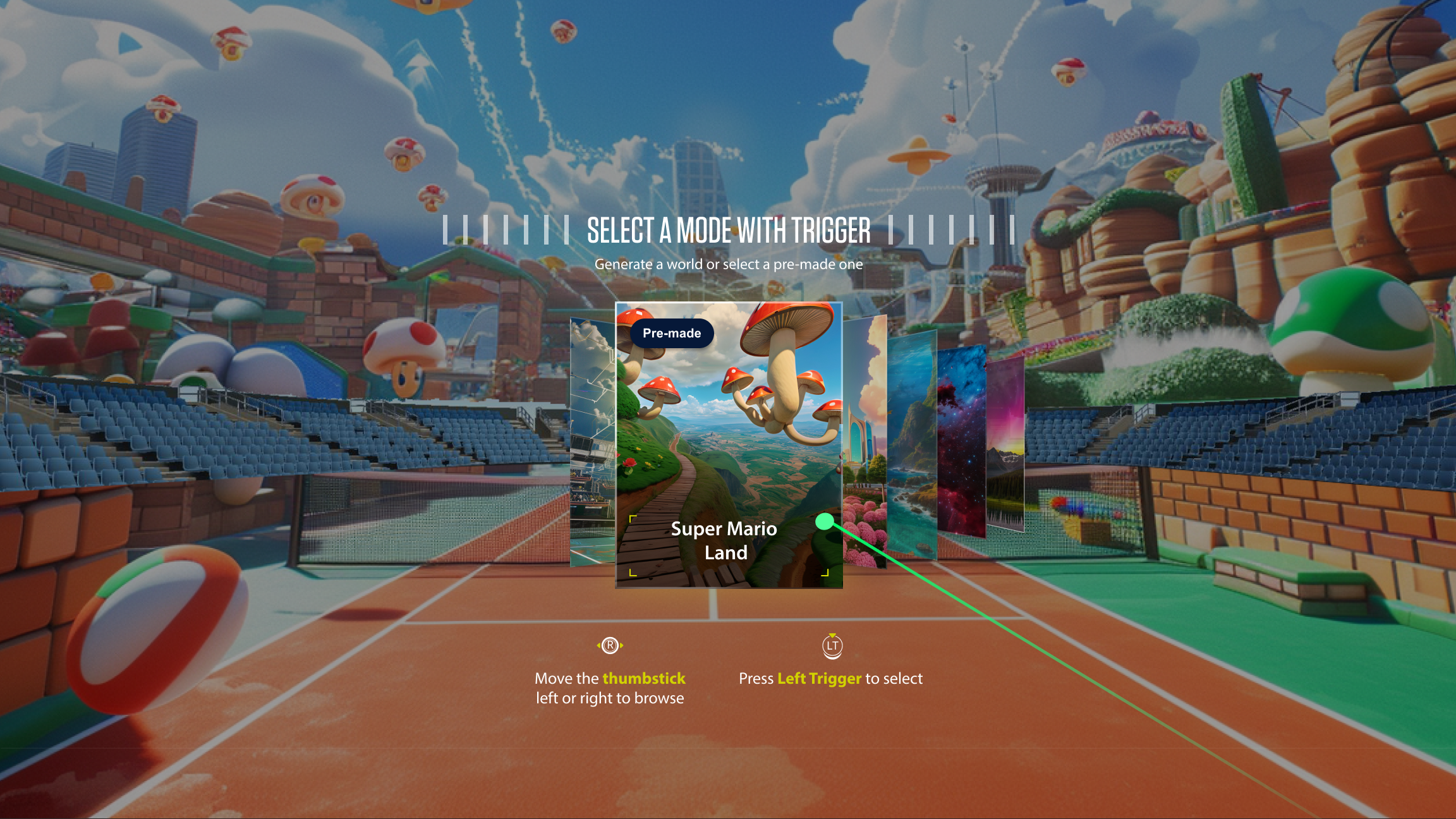
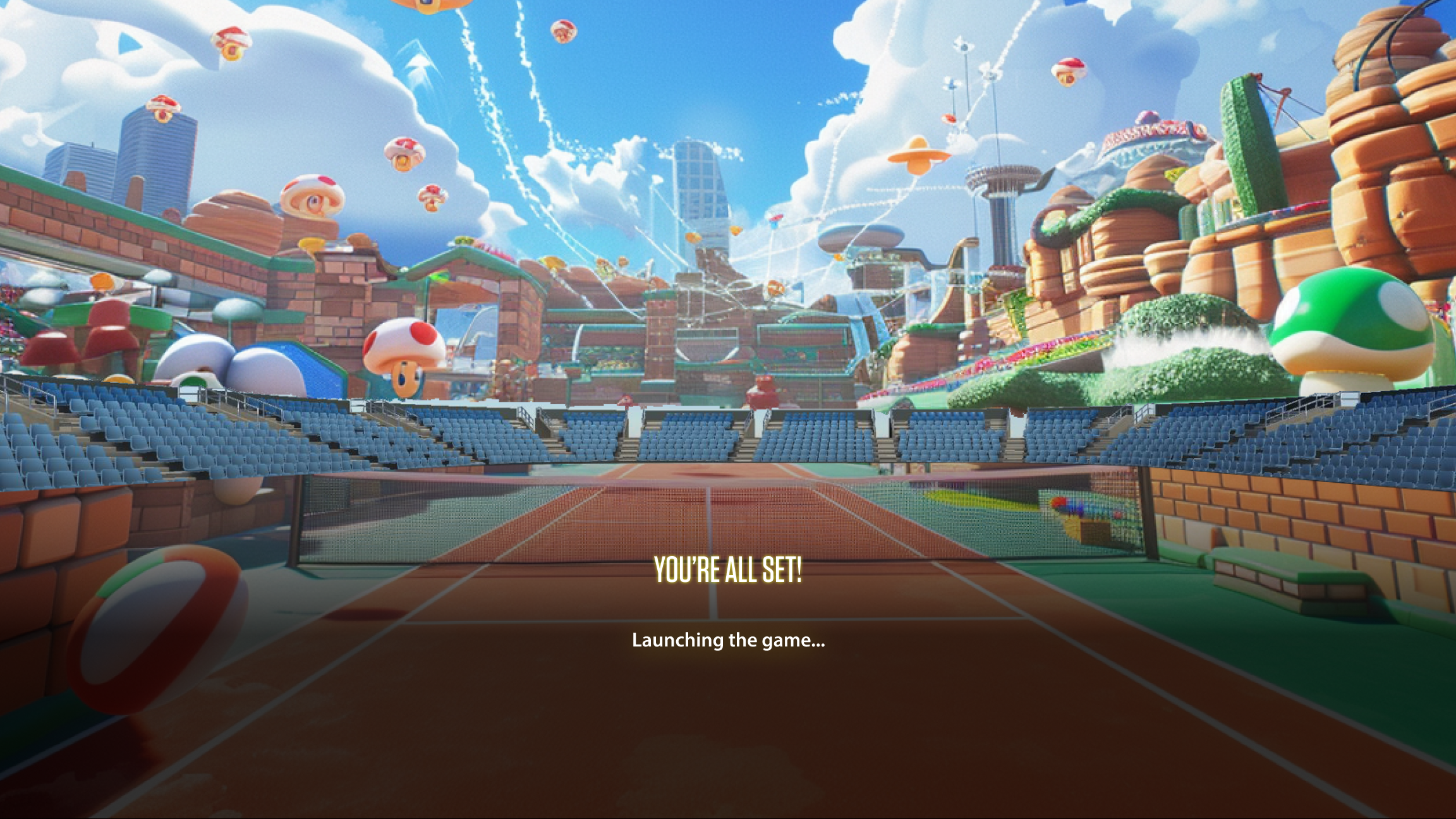
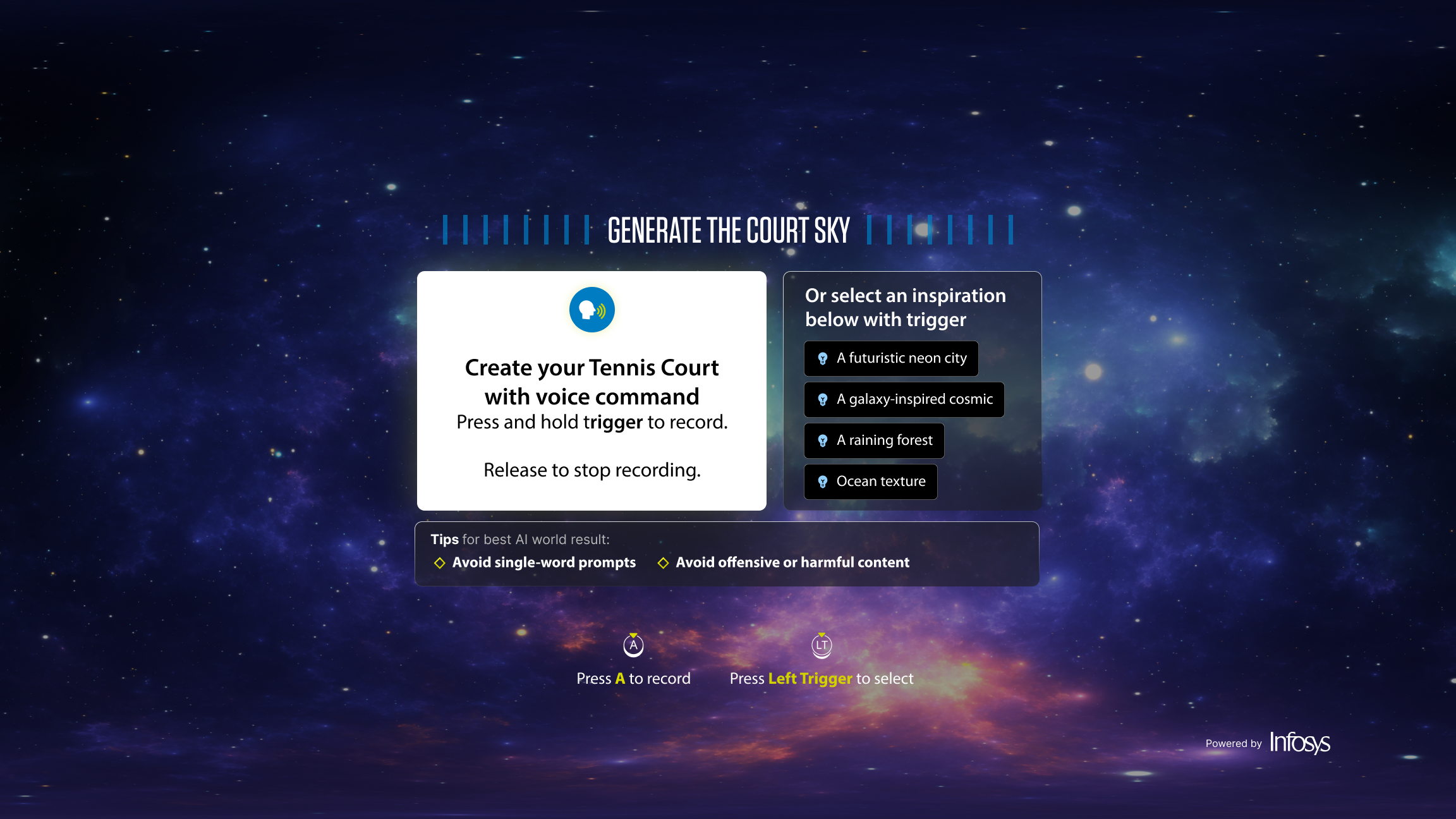
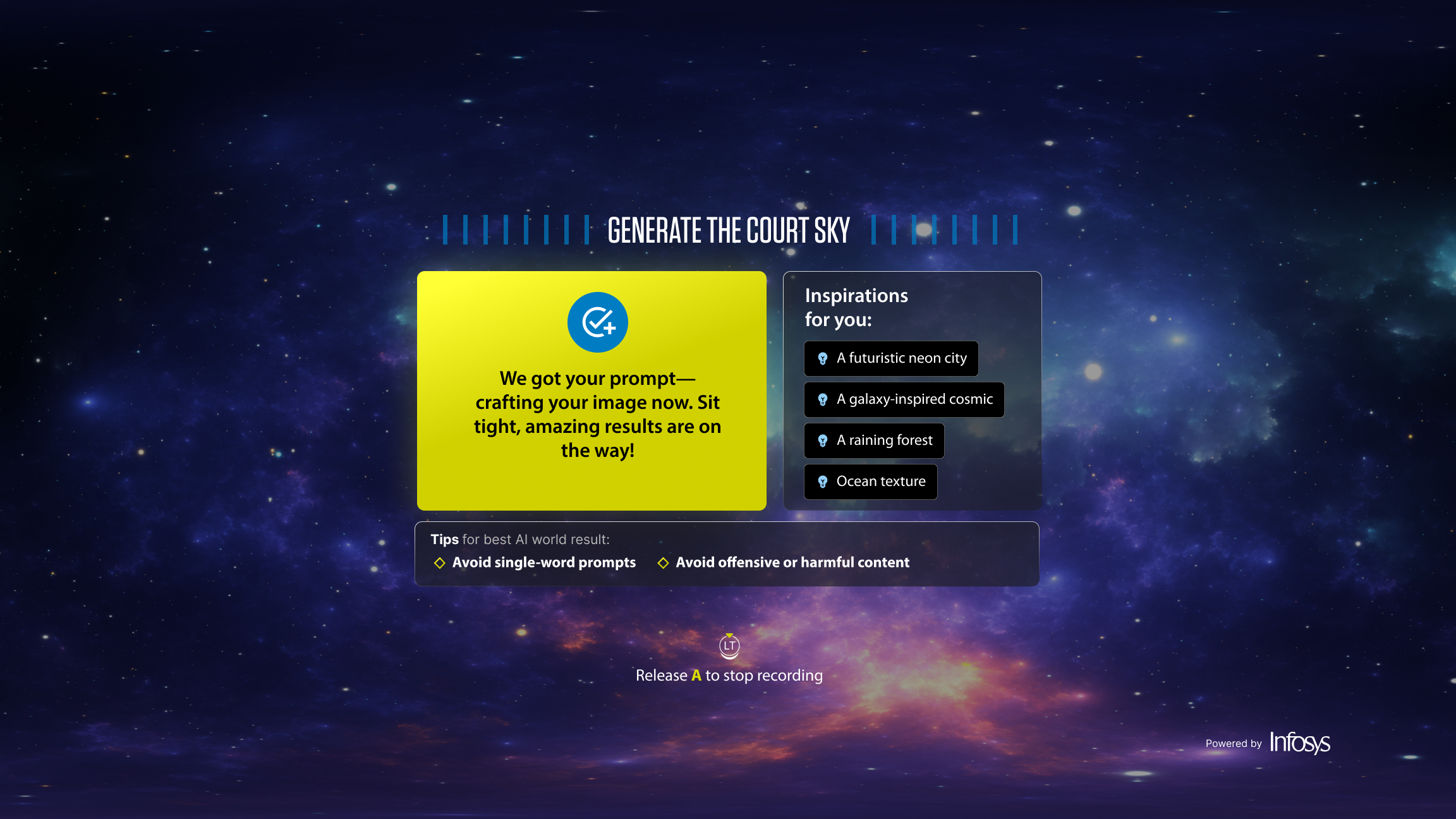
Two Ways to Play Your Way Players could either jump into a pre-designed world or speak their imagination into existence using generative AI — instantly creating custom environments like “Underwater City” or “Mario World” through simple voice commands.
Pre-designed world
Generative AI Worlds by Voice
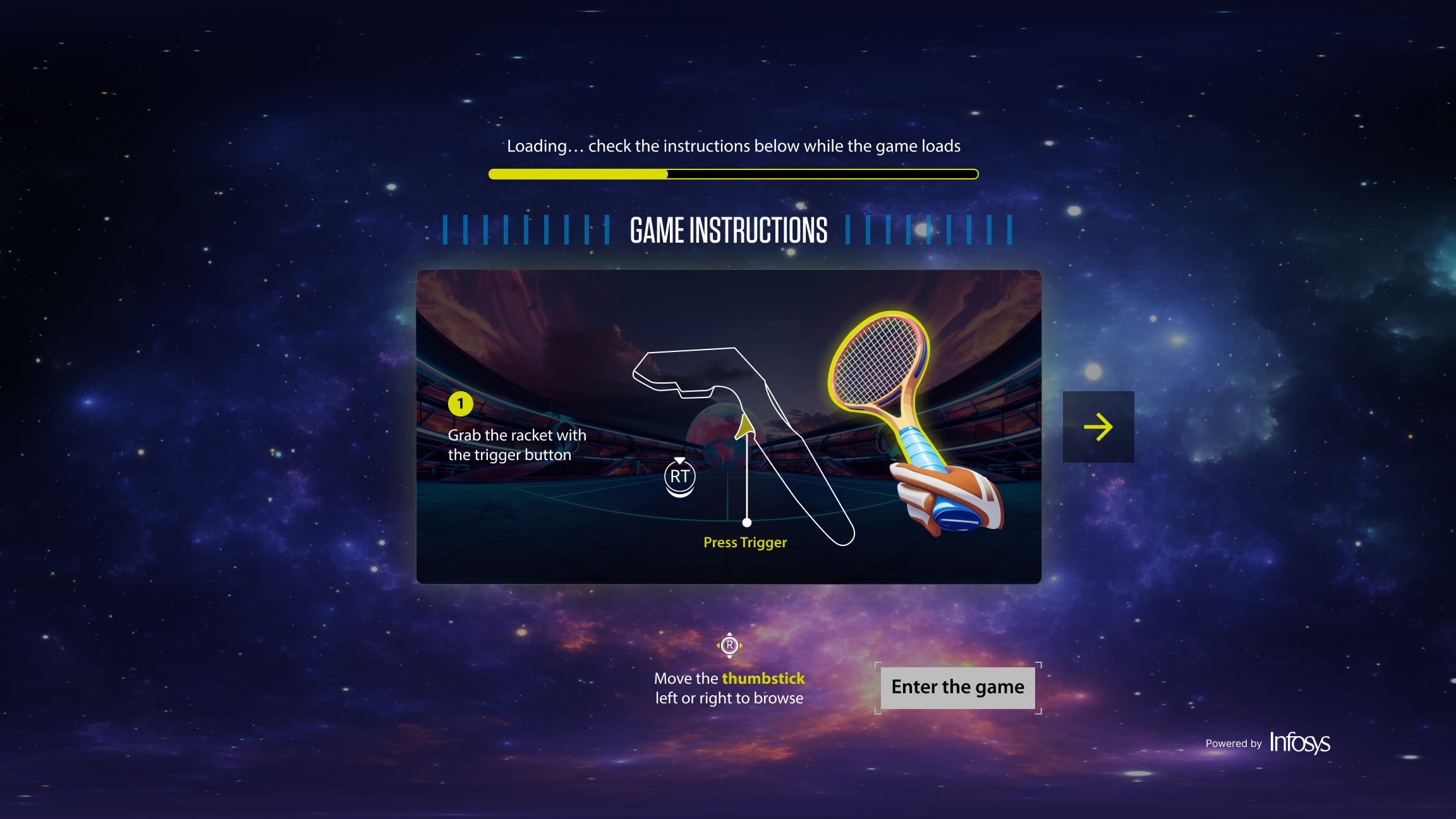
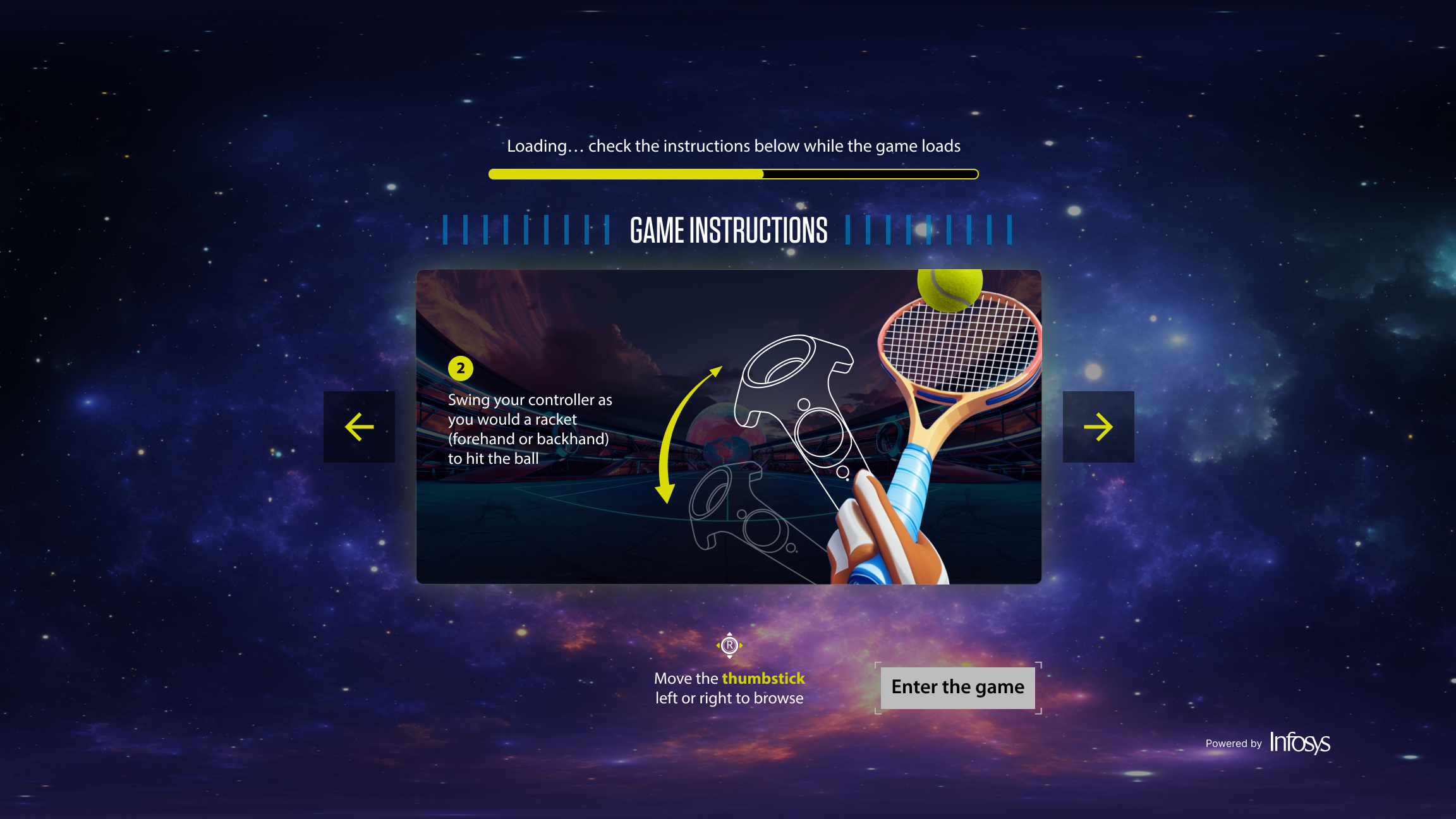
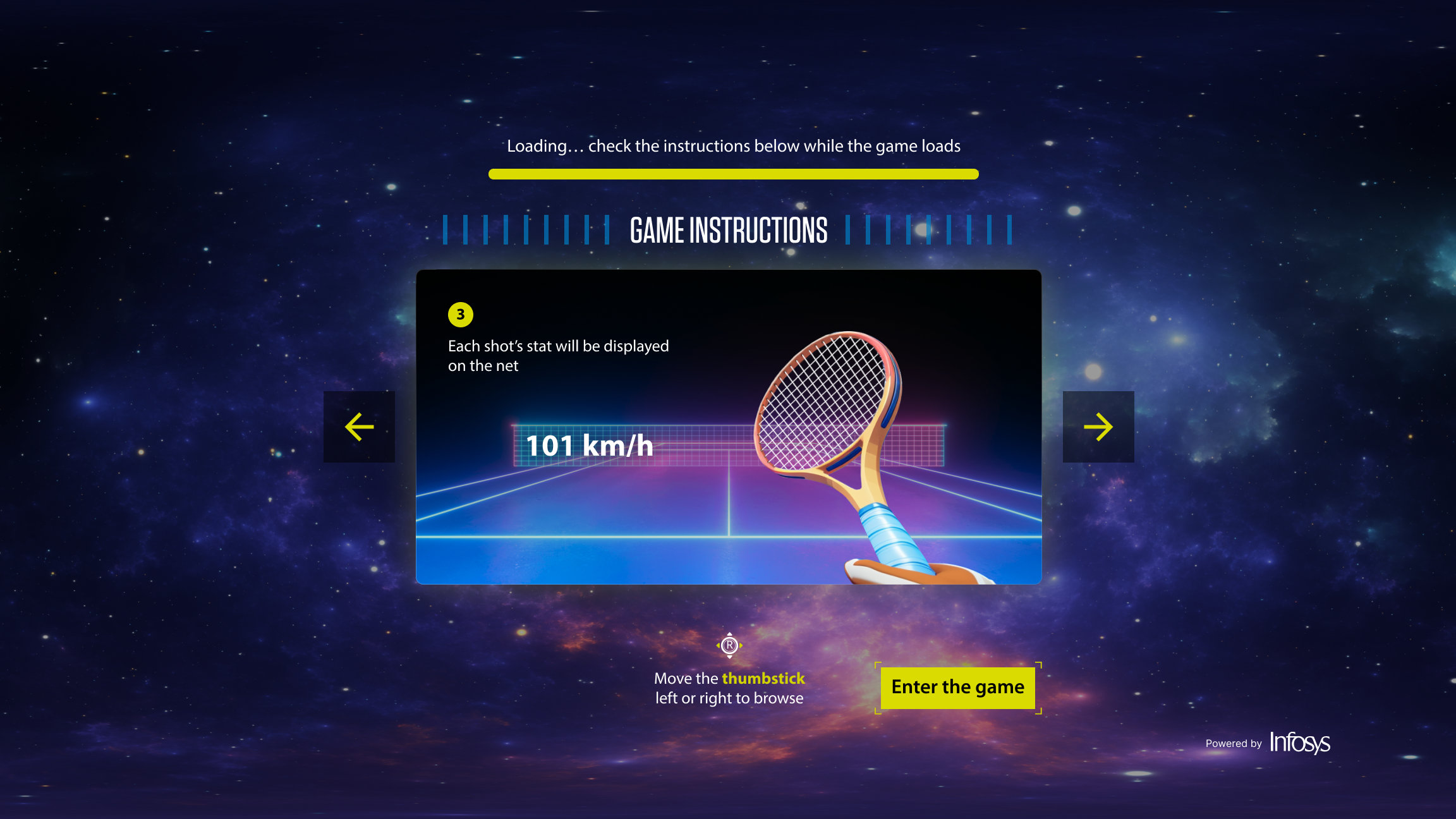
Simplifying the Onboarding Experience
Through internal user testing, we discovered how important it was to provide simple yet accurate game instructions — many users weren’t fully familiar with VR headsets. Based on team interviews and feedback, we continuously improved the UI and UX to make the experience more intuitive and comfortable.
As a result, this project was a standout successat AO 2025, capturing the attention of over 12,000 fans who eagerly stepped into the virtual court. By blending generative AI with immersive gameplay, it transformed passive spectators into active participants and showcased the exciting future of fan engagement through technology.
Experiencing the Impact Firsthand
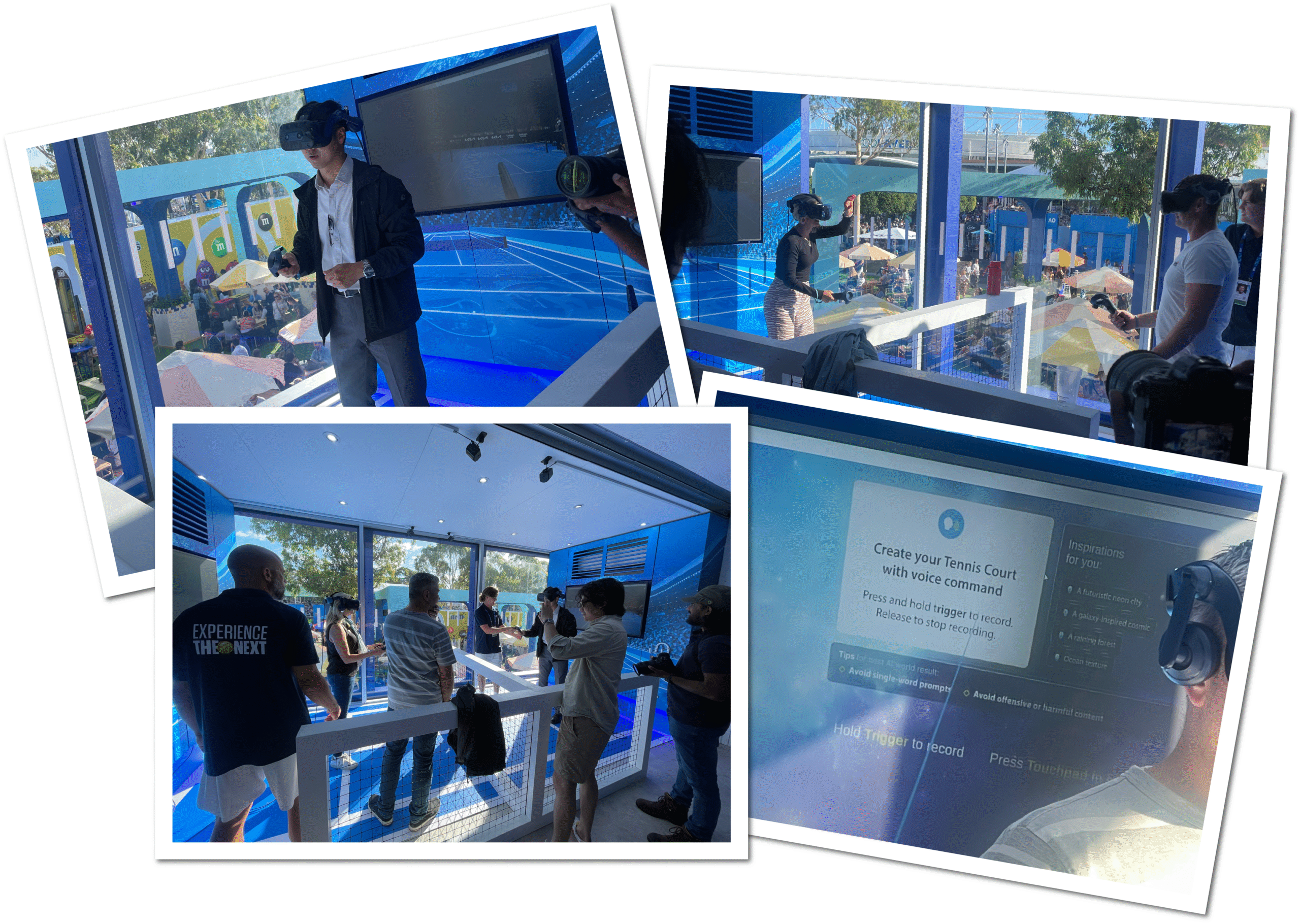
Our team didn’t stop at designing and delivering the experience — we went all the way to the AO 2025 opening to see it come to life. Visiting the Infosys Fan Zone, we tested the VR tennis game alongside real users, stepping into their shoes to understand how the experience felt in a live setting. By doing this, we weren’t just celebrating the launch — we were learning from it.
Observing real-time reactions and interactions helped us reflect on what worked, what could be better, and how our design truly impacted fans on the ground.
Fans Become the Players
What started as a bold idea — “Beyond watching the stars play, what if fans could become the players?” — came to life the moment we saw kids step into the AI Stadium. This video captures one of those unforgettable moments: a young fan, immersed in their own custom-made world, playing tennis like a pro. It’s a reminder that real design impact isn’t just measured in metrics — it’s seen in joy, engagement, and unforgettable experiences created for real people, in the real world.
Observing real-time reactions and interactions helped us reflect on what worked, what could be better, and how our design truly impacted fans on the ground.
Thank you for reading!
I would love to know what you think! Connect with me on Linkedin, email me at sunny.ha.design@gmail.com, or send me a message below.